


Michael Disanka and Valentijn Dhaenens: two talented theatre creators from different continents, both with equally impressive careers, working on unique creations for the next season at KVS. With Je suis l’acteur de la poésie de ma mère, Disanka prepares for his first true solo performance, using poetry to explore the cultural heritage and soul of his mother. Dhaenens, who travelled the world with solo performances like BigmoutH and SmallWaR, is bypassing the stage for the first time to focus on directing Powerplay.
Though the two are quite different, they both use theatre to try to understand the complex world in which they live. That world is very much in flames as we conduct this conversation. With conflicts and war intensifying in Goma and the rest of East Congo, and rebels asserting control over the city, this naturally becomes the first topic of conversation.
Disanka: "It's shocking, yes. Though it's very difficult to truly understand the specifics of the situation from Kinshasa. It's not the first time that rebels have entered Goma. History has been repeating itself for the last thirty years. Congo wants to negotiate with Rwanda because everyone knows they’re behind this. What I find most upsetting at an international level is that the victims of yesterday are the perpetrators of today. It's not the people who want these wars or conflicts. As is often the case, it's a minority who benefit from these conflicts, and they are started by invisible forces. And this of course has everything to do with the economy. The region is rich, and it’s mainly about the cobalt mines. Most of these mines are already controlled by the rebels. A month’s control over a mine can generate up to a million dollars."
Dhaenens: "I was in Goma three years ago ... I created Vita Siyo Muchezo Ya Watoto for KVS, directed by Frédérique Lecomte there. And I kept a diary. That trip was very intense. We worked with child soldiers. I still stay in touch with some of the children who performed with us back then, and now they’re part of the rebel forces. One of them just sent me a photo with an AK-47. That’s of course very confronting. Do you have any friends who are associated with the rebels?"
Disanka: "I don't have any friends among the rebels. I have artist friends living in Goma. I spoke with them this morning. It's difficult but they say they're holding on. There are bodies in the streets. I also have an uncle who lives there and he and his whole family had to flee to Kigali. I have so many connections to that place. My friends go outside when they can and make videos. This is also a war being fought over the internet and through communication, like all wars. Many people I know are simply asking for peace. The situation has nothing to do with them … and that makes it so difficult. There are many people with political interests, and so many armies involved. Sarkozy once spoke about the 'balkanisation' of the region, and suggested that it would be best to split it up. But Congo will never allow that. In other words, it's a geopolitical conflict being fought here for economic reasons. And for thirty years, the factions have been changing names and leaders. But in essence, it’s the same thing over and over again."
Dhaenens: "Are there also tensions in Kinshasa?"
Disanka: "I just returned from Vancouver yesterday, where I was invited to present my performance Géométrie de vies. It's tense here, but the situation is under control. There have been a few demonstrations. They’ve now been banned because there was a fear they might escalate. And several embassies have been given extra security."
Art in Times of War?
Dhaenens: "I try to understand the world through art as well, because I can't grasp it anymore. Things are moving so quickly these days, and there are countless reasons to be worried. The situation in Gaza, Ukraine, all these global conflicts. What can you do, and what can you create in the midst of that chaos? Right now, I’m working on an adaptation of Bach’s St Matthew Passion. It contains a multitude of perspectives. I’m mainly focusing on the choirs because, for me, they represent the people who no longer understand the world. And those people are all asking the same thing, why did Jesus have to die? And what have I done? Haven’t I tried hard enough?"
"The world is increasingly shifting to the right. How can we, in our profession, create work that moves or changes other things? This question is becoming more and more urgent.
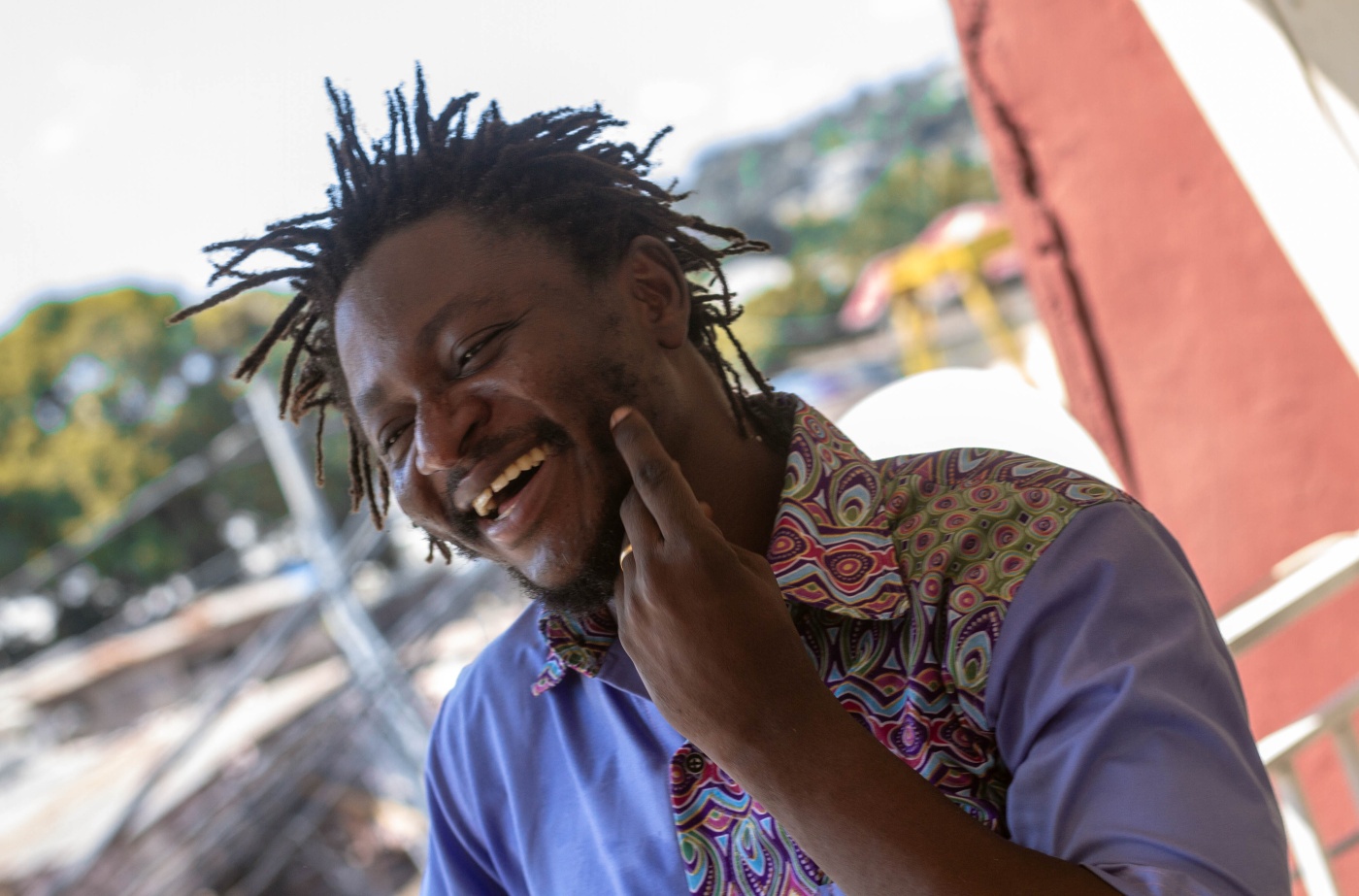
Disanka: "What’s happening in the world affects all of us. We feel the balance begin to shift. Tensions are increasing exponentially, as if we’re heading towards a turning point. The world is increasingly shifting to the right. How can we, in our profession, create work that moves or changes other things? This question is becoming more and more urgent. It’s the same here in Congo. All the money will flow into wars and conflicts and less money will be invested in society and education, let alone in culture. How can humanity reinvent itself and find solutions to remain human, when we’re surrounded by so much inhumanity and dehumanisation? For me, it’s also about grief and honouring the deceased, especially in regions like this where death has become trivialised. At times, it feels as though its animals, not humans, that are dying – lives that seem to hold no meaning. In a way, I aim to restore that sense of significance, even in the monologue I’m preparing about my mother."
Solos
Disanka: "I’m currently writing the script for the performance. My first true solo performance. For me, there are three important layers to the story. I’m writing a poem for my mother, who passed away three years ago - that’s the first layer. Everything poetic within me, my sense of authorship included, is a gift I inherited from her. I’m still mourning her loss, and through theatre, I find a way to heal or reconnect with my humanity by searching for her and her poetry. The Kassala is an oneiric poem, aking of lament, directed to a living or deceased person. I hail from the Kassai people, where I’ve met mothers who still practice this poetic tradition. When my mother passed away, I discovered that her house had been occupied just after Congo’s independence, which became the second layer. I’m returning to search for my mother’s house, to speak to that time, that occupation and our connection to colonial history, if you like. There’s the hidden genocide that took place against the Baluba, my mother’s people, killed by the gendarmerie of Katanga. I gathered testimonies from people who lived through that. And the third layer is my mother’s own poetry. My body, my interpretation, is the mediation of her work. Her poetry will uplift me, above the weight of Congo's difficult history."
Dhaenens: "That sounds like an impressive story, and I’m already looking forward to the performance. For me, performing a solo is the most beautiful thing. You can’t get closer to an author than as a soloist, especially when you’ve written the text yourself because you’re responsible for everything. It’s exciting and joyful. There’s of course a lot of doubt along the way, and you’re often very lonely. But still, it’s what I love most in this profession. Now I’m going to direct for the first time. I’ve created a lot of plays already, but I’ve always been involved in the performance on stage as well. Now I’m moving aside and directing Bruno Van Den Broecke and Andie Dushime."
What is acceptable, what is allowed today? So much has changed in the last decade.
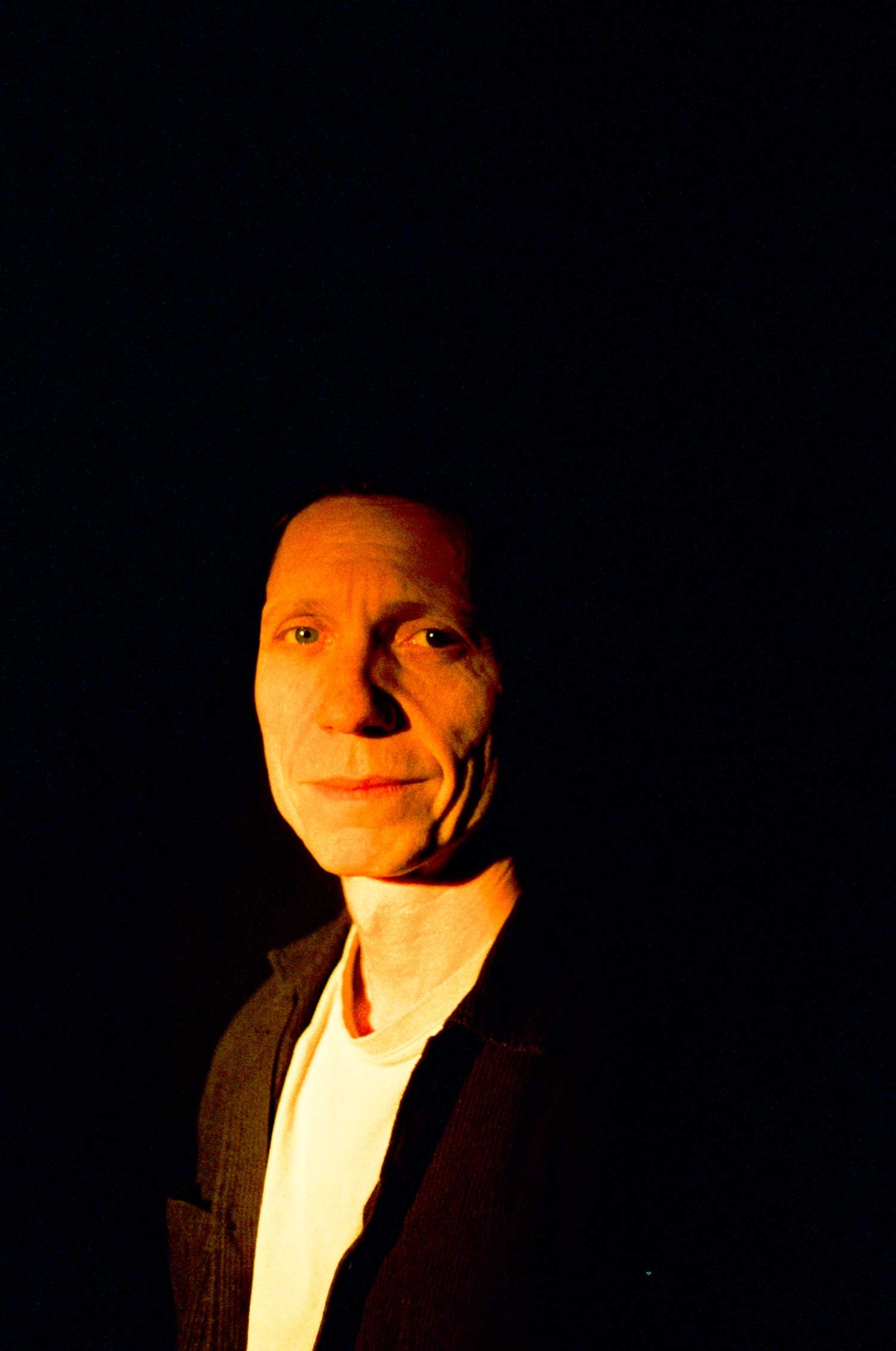
Valentijn: "It’s a performance with two actors, with references to Blackbird by David Harrower and the film After the Rehearsal by Ingmar Bergman. It’s about an older actor who once had a relationship with a young girl and was disgraced because of it. He wants to make a play about it, and throughout the rehearsal process, he questions what is considered acceptable today. So much has changed in the past decade – life now feels almost unrecognisable compared to when I graduated. Back then, ‘breaking someone’ was considered a legitimate part of training at drama school, just to give one example. Today that’s simply unthinkable, just like body shaming. I’m currently working at the Studio in Antwerp, so this play is an exploration of the changing ethics in our profession, and by extension in our world. Last year I was in a play with a young actress who had to drop out because of a burnout, which made me question a lot of things. I’m still trying to grasp and understand it, which is why I want to work on it now with Andie and Bruno. I’ve collaborated with Bruno many times at KVS, most recently in Rexit!, and before that in Jonathan. I know Andie from Horizon, which we made together with Manuela Infante. It’s gearing up to be an exciting process and for the first time, I’ll be on the sidelines. But I’m really looking forward to it. And it’s again about the world in motion and about finding ways to better understand that changing world."