


Theatre creator Nona Demey Gallagher and her companions at Krapp collective dive into the world of the (virtual) doppelgänger this upcoming season. Following performances such as De Duivels/Les Diables and Weird Tales, they once again confront the monstrous. On the other hand, Chilean director and theatre creator Manuela Infante draws inspiration from human bones. At the request of a South American forensic anthropologist, she explores the stories and music that the bodies of deceased missing persons long to share with us. KVS dramaturge Dina Dooreman saw plenty of material for a rich conversation, so she invited the two creators for a discussion.
Dina: Manuela, next season you’ll present The Bones, your fourth production at KVS. Like in your previous work, you’ll once again focus on "non-living" material, in this case, the bones of deceased bodies. What stories do they tell you?
Manuela: “I’m investigating the politics of forced disappearances, and integrating a perspective in which the dead or missing persons actively play a part in the dialogue between science and the body. In a way, this connects to my earlier work, namely the exploration of the agency of non-human forces. For The Bones, we are collaborating with a South American forensic anthropologist, using the pseudonym Roberta Lobos. She is part of an autonomous team of specialists who reconstruct bone trauma from specific fractures found in bones in mass graves. They developed a South American research method during the dictatorships, as the very state system meant to help find missing persons and ensure justice was, in fact, responsible for the disappearances”.
Dina: Music played a key part in your previous works, where you sometimes presented the story as a theatrical score. What musical stories do you draw from the bones this time?
Manuela: “During her work, Roberta Lobos felt that there was something to be read in these bones that could not be revealed through the lens of science. She was curious about what the bones could tell us from an artistic point of view, and especially from a musical perspective. So for this play, I put her in touch with composer Matthew Herbert so that they could explore the bones together. We’re not just translating scientific data into music; during the process, we also came to understand how music could play a role in restoring human communities.”
“When people are violently made to disappear, the perpetrators are essentially cutting the narrative ties between people’s histories, causing the social fabric to unravel. When someone disappears, they are neither dead nor alive, but in a sort of limbo or frozen state. This kind of violence paralyses people and communities in a very effective way and affects us all to this day. So, I’m trying to find a way to look at this atrocity of forced disappearance through the lens of music and theatre.”
When someone disappears, they are neither dead nor alive, but in a sort of limbo or frozen state. This kind of violence paralyses people and communities in a very effective way and affects us all to this day.
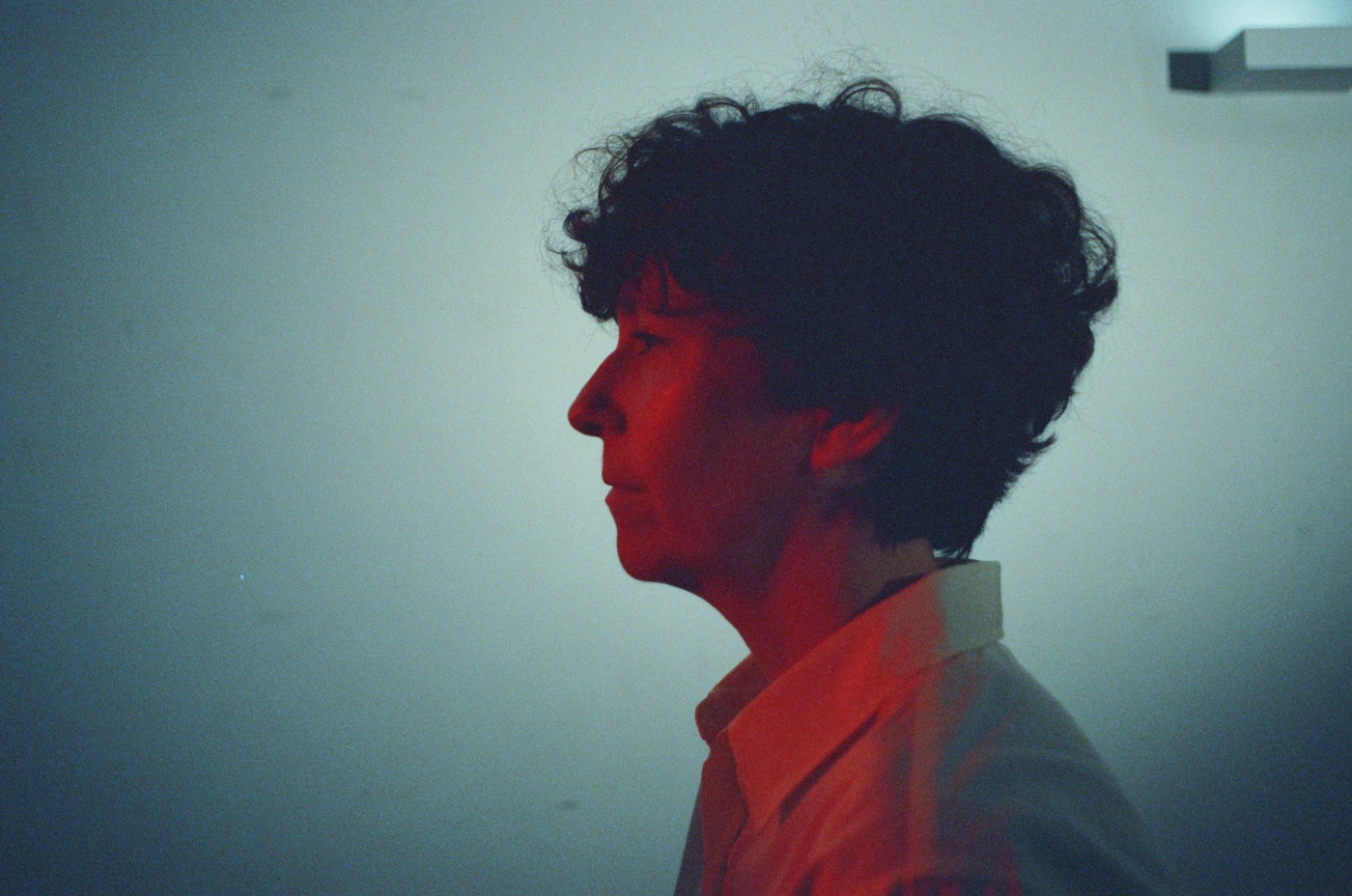
Dina: Nona, you’ve also made work about the living and the dead with Krapp collective. Is this recurring theme present in your new creation Copyriot?
Nona: “With Copyriot, we start from our fascination with the uncanny, the spaces in-between, and the monstrous. The play specifically revolves around the concept of the doppelgänger, which we consider a paradox, just like the monster. A being that is both alive and dead, both familiar and unknown. The doppelgänger is me, but it’s also someone else. Like a mirror that shows us the darker aspects of ourselves and who we fear becoming. With this new piece, we want to explore the paranoia and nightmarish sensation of seeing yourself outside of yourself.
Dina: Manuela, you’ve also worked a lot with 'states in-between’ and the 'other side', like the antipodes in Horizon or the transforming bodies of women in Metamorphoses. What draws you to this motif?
Manuela: “In Horizon, we worked with the historical concept of antipodes, the European idea that people living on the other side of the world were the same people, just turned upside down. I see it as a powerful metaphor for our fear of being different and how we create a false monster in response. This idea resonates deeply with the concept of doppelgängers”.
“For me, it’s very important in my entire journey of working with plants, stones, and now the dead, to find ways to create work around this radical otherness without falling into appropriation. My desire to work with the 'in-between' is that I can never fully grasp it. How do we allow someone to maintain a certain darkness or mystery? In The Bones, I try to relate to people who have disappeared in a similar way, allowing them to still have a degree of agency in their own ‘reappearance.’”
Dina: Manuela, you’re also creating a play about vampires, and Nona, you’ve worked with characters like Mary Shelley. How does the gothic connect to the topics you both work with?
Nona: “The gothic deals with the disruption of things, with violence and a sense of discomfort and threat. It critiques power structures, both in its stories and through the presence of giant architectural buildings. Castles or mansions serve as symbols of oppressive systems like the patriarchy. The gothic, and horror in general, give us new perspectives on what is happening around us. In the past, I’ve created work exploring plant horror, because I was fascinated how we continue to overlook the fact that plants are living beings too. Through this work with plants I started thinking about gender and sexuality beyond binary oppositions. Some plants’ sexuality is much more fluid because they have both female and male reproductive organs.”
Manuela: “Very interesting. When I first delved into vampires, I was initially fascinated by their 'in-between state' as 'living dead.' On the one hand, I was intrigued by Aeolian windmills because they resemble gothic cathedrals. In Chile, there’s something called green colonialism, which means that the practices of colonialism are repeated but disguised through greenwashing. For certain Chilean communities, these windmills don’t represent a bright, green future. Instead, they dominate the landscape, and the shifts in air pressure they create can cause bats to implode and die. I believe the energy economy, like vampirism, is a very oppressive system that increasingly seeks to produce more energy. And then I discovered that Bram Stoker was actually the first to merge the vampire myth with the image of the bat because he read an article where Darwin described the bats he saw in Chile. So those two things unexpectedly came together.”
The doppelgänger is me, but it’s also someone else. Like a mirror that shows us the darker aspects of ourselves – who we fear becoming.
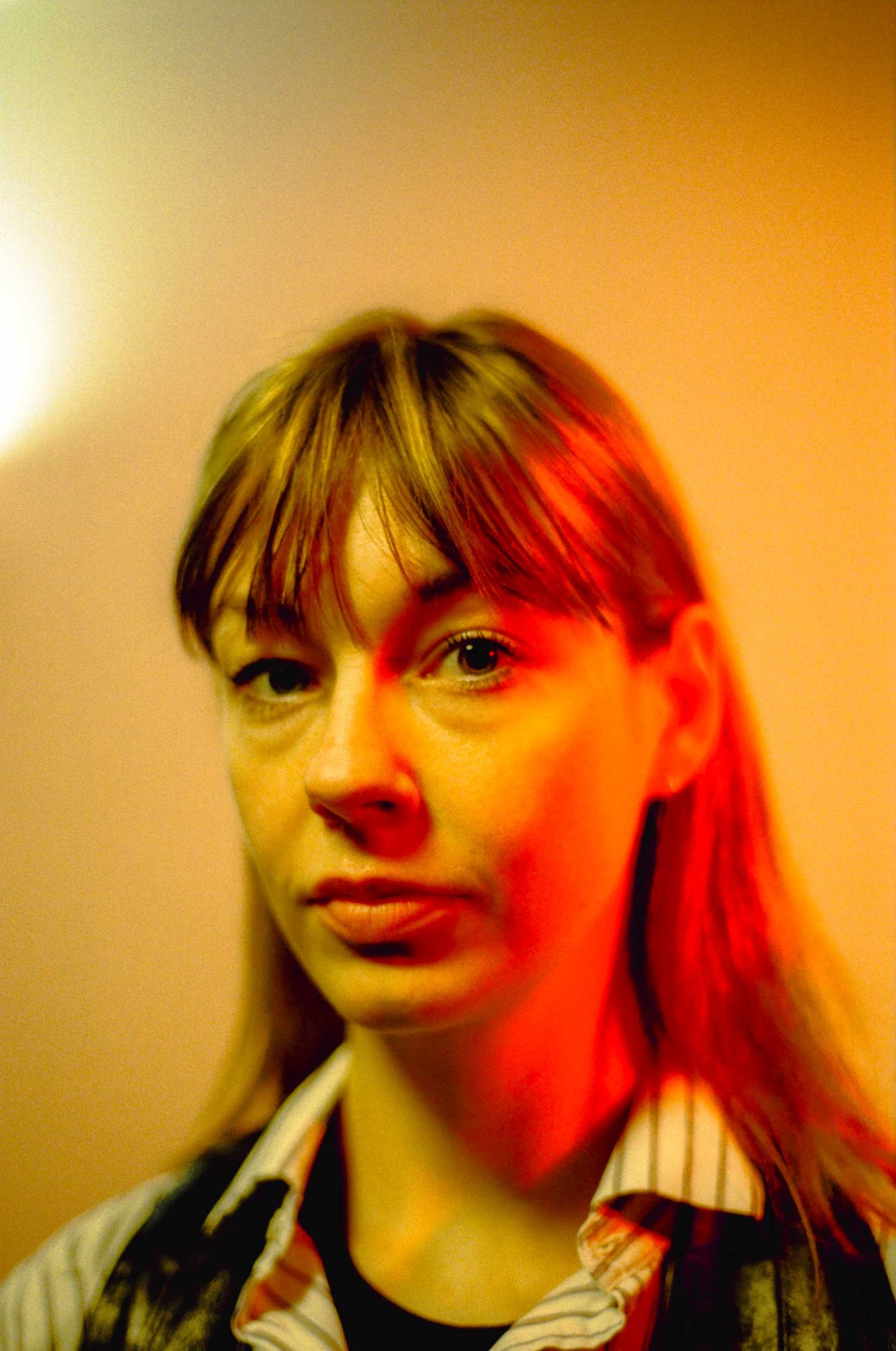
Dina: As I understand it, strategic elements like the gothic or the non-human help critique violence. The common thread in your work is specifically violence against women and male oppression. Where do you place your work in the context of today’s shift to the right?
Nona: “I want to question power structures, and indeed the common thread is stories about silencing women and excluding them from society. De Duivels/Les Diables was about a historical witch trial in the 17th century where nuns were locked up in monasteries, thereby losing their social and economic power. Up Your Ass is a satire on the marginalisation of women, specifically in the case of Valerie Solanas, by not giving her money for her voice. For next season, I’m also working on a play about pornography, where I’m doing research on Andrea Dworkin, the anti-porn feminist from the 70s. She pointed out that pornography is not just a fantasy, but also an act and a way to silence, trade, and sell women’s bodies.”
Manuela: “If we consider the body as a territory, violence against women is a form of colonial violence. The violence that was committed in the colonies was, in a sense, first practiced through violence against women, like witch burnings. One of my main theatrical drives is my search for ways to deal with others without engaging in practices of appropriation and colonisation. We are all vulnerable and become bodies that need the support of others to exist. When I think about Javier Milei in Argentina, waving a chainsaw around, I understand what’s going on. It’s about chopping things up and making sure people can no longer form connections. The backlash against women and feminism is growing rapidly and is now being sanctioned by far-right discourse. If in the arts we let feminism become a passing trend, we help that backlash find a place. That’s why we must continue to find new strategies to address feminist issues in theatre.”