


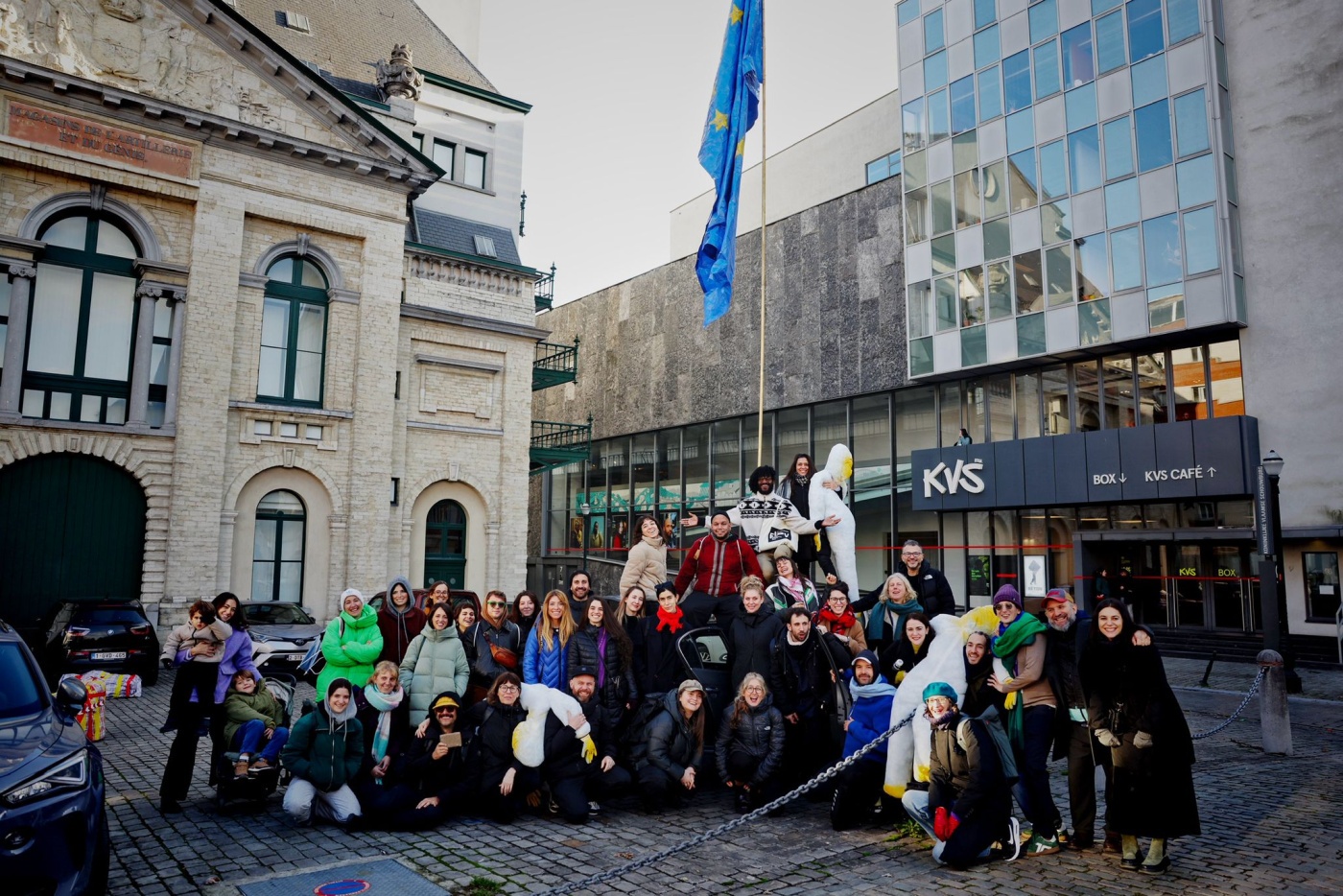
Article published in issue 10 of Revista Dramática by the Centro Dramático Nacional.
KVS – the Royal Flemish Theatre, based in Brussels – welcomes 13 projects from 12 autonomous communities to the TERRITORIO festival, as part of EUROPALIA España. A simple but much needed gesture: the creation of a space for encounter where art, cultural management and the narratives that run through us can be re-imagined.
KVS: theatre in dialogue with the city and the world
Our journey at the Royal Flemish Theatre (Koninklijke Vlaamse Schouwburg, KVS) started in 2016, under the artistic direction of Michael De Cock. Together with Dina Dooreman and Kathy Van den Bossche, we formed an artistic team that understands KVS not as an isolated refuge, but as a place that shares the beating of its city’s heart.
Our history spans more than 150 years. We are a Flemish institution, sure, but also a living laboratory that chooses to open up to the risk of the new. We don’t have a permanent cast: the directors, choreographers and performers we work with represent a wide range of disciplines, ages and cultural traditions, and bring a potent narrative diversity with them. Companies such as Peeping Tom or Ultima Vez are part of that evolving ecosystem.
Brussels is officially bilingual and mostly French-speaking, but it’s in reality an archipelago of minorities. A city of 180 nationalities, of overlapping layers, of tensions and coexistence. We don’t consider that complexity a problem: it’s the very root of what we do. From the very beginning, we wanted to be the theatre of the entire city, including its many contradictions. That decision results in the plurality of our artists, in the diversity of our creations and our audience. Our ambition, simple yet radical, is that every one of Brussels’ residents can feel KVS is their place, at least once every season.
We like to imagine ourselves as a tree: rooted in the city of Brussels, nourished by its local traditions and the migrations that run through her. With a firm trunk made of our infrastructure and our staff. With our associated artists as expanding branches, some of them consolidated, others younger and more flexible. And finally, our plays, events and projects, the fruit we share with our public. Every creation is an exchange of gazes and in every encounter our mission is at stake: to reflect on who we were, to understand what we are and to imagine whom we could become.
The door to the world
Since the beginning, Ibero-America became a fundamental axis of our international strategy. Not only because of aesthetic or affective affinities, but also because it is a source of fresh energy, because its disposition to rethink the future confronts us directly.
Working with Latin America – a colonial term that contains such different worlds – and with Spain made us question our relationship to repertoire, to creation and to the cultural syncretism we inhabit, often without the required tools to process it.
In Spain we’ve crafted collaborations that are now part of our structure: co-productions with Teatre Nacional de Catalunya, residence programs with Dansa València, European dramaturgy projects together with Centro Dramático Nacional… Among others, we also have ties to Festival GREC, Teatros del Canal, La Conquesta del Pol Sud, Festival de Cádiz, Teatro Español and institutions such as the Spanish Embassy, Instituto Cervantes and Institut Ramon Llull.
We’ve even organized Spanish lessons at KVS, attended by most of our teammates. We’ve participated in the La Cultura es Segura campaign during the pandemic. We also received the Placa de la Orden de Isabel la Católica, a recognition that reminded us that our work also leaves a mark offstage.
Eventually, we came to understand something fundamental: wealth is not exclusive to big institutions, it can also be found in small and medium-sized projects that vibrate with intensity in an entire territory. That’s where we find a lot of the wisdom we need and voices such as that of Lorenzo Pappagallo helped us see it clearly.
TERRITORIO: España en Bruselas
In 2025, Spain is the guest country at EUROPALIA. The time was right to turn that network into a festival: TERRITORIO.
Between November 26th and November 29th, 13 projects from 12 autonomous communities will be presented in Brussels, in spaces such as KVS, Le Bamp and La Bodega. It will be a journey void of hierarchy: the logic of capitals and peripheries will be left behind. We believe that the identity of a project can’t be measured by its vicinity to big production centers but by its vision, its strategy and its ties to a territory.
Many of these projects are already in dialogue with each other. TERRITORIO is not a complete map, but a window to a bigger framework, an invitation to look at the present and sense the possible futures that are already brewing in Spanish art.
The programme navigates between disciplines, generations and geographies. Each proposal demonstrates that cultural management is much more than a merely administrative matter: it can be a creative motor, a political tool and a bridge between communities.
An open invitation
With TERRITORIO we aim at sharing the diversity and the energy found across Spain today with European colleagues and audiences. But it’s also a way to keep on learning: a reminder that scenic arts are not born in isolation but in relation, in dialogue and intersection. Looking forward to meeting you in Brussels!
Gerardo Salinas, dramaturg and member of the artistic direction team at Koninklijke Vlaamse Schouwburg (KVS)
The participants
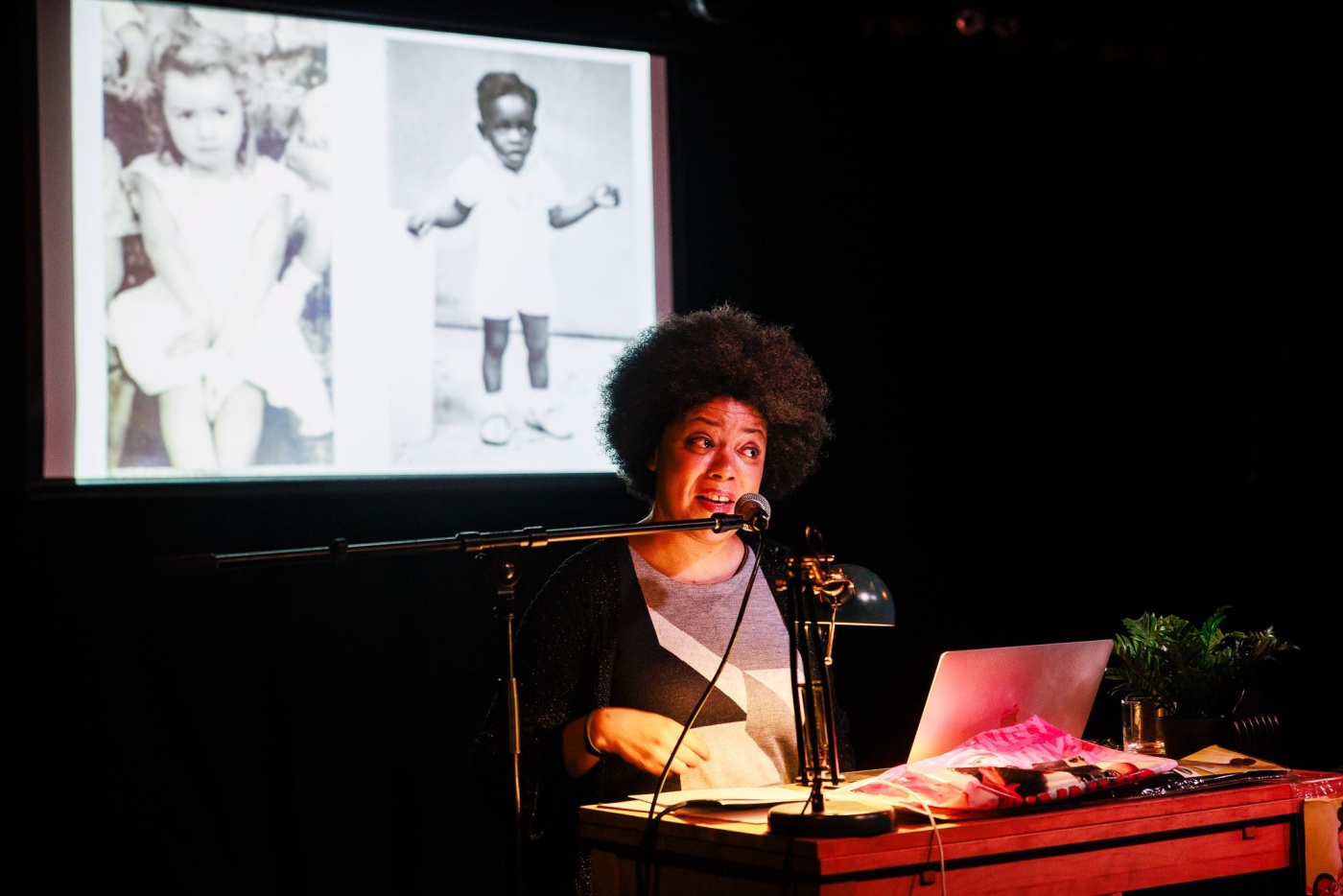
TINTA NEGRA / CATALONIA
Tinta Negra is a collective of performers and creators of African descent, based in Catalonia and born from the need to make Black voices visible in the Catalan theater and performing arts scene, voices that have been historically excluded and/or stereotyped. It comprises artists committed to playwriting, acting, directing and cultural management, from an Afrocentric and anti-racist perspective.
We have participated in theater plays such as #nosomunhashtag (premiered at the Centre de Cultura Contemporània de Barcelona in February 2021), a production that blends ritualism, healing and activism through Black performing arts. We also develop artistic and audiovisual actions, such as videos in support of the #BlackLivesMatter movement, which advocate for racial justice through performance practice. We participate in talks, debates and workshops, we provide advice on diversity in podium and audiovisual productions, we collaborate with organizations such as the Grec Festival, Dones Visuals and Sala Beckett, where we address white privilege, structural racism and colonial representations in Catalan theater. We also contribute to the creation of safe spaces for listening and support, always from an intersectional, feminist and decolonial perspective.
Denise Duncan
RPM / GALICIA
RPM is an independent Galician initiative that has supported contemporary live arts performers since 2017 through residencies, laboratories and outreach actions. One of its most renowned programs is Residencias Paraíso, for which it has created a network of collaborating theaters and cultural centers in Galicia, where artists develop processes with a duration of two to three weeks. Furthermore, it expands this program to other parts of Spain and Europe with Cruceiros Paraíso and organizes yearly gatherings and workshops such as the Encontro Paraíso Illa San Simón, which brings around fifty people together on the island of San Simón, between Vigo and Pontevedra, every year in September.
RPM does not operate in a space of its own: it distinguishes itself by building a network of collaborating public spaces in the four Galician provinces. This model—unique in its conception—makes inter-institutional dialogue essential. Its outreach consists of persuading each space to incorporate the idea of an artist residency to the content they provide, understanding their needs and aligning them with a transversal programme. It is crucial to emphasize that RPM advocates for financially supported artist residencies as opposed to simply providing spaces.
They welcome both research and creation projects. The production of a finished work is not the main goal: they insist on the importance of creating spaces for research in a country where cultural policies have historically measured an artist's value solely by their output. In this sense, it is also vital to convey to collaborating spaces that engagement with the public can emerge at various stages of the process: through lectures, shared practices or eventually the final work itself—all of them are considered valid opportunities for knowledge sharing.
RPM positions itself within the performing arts landscape with the broadest possible gaze. Departing from contemporary dance, they understand it as a space where the living body dominates and where discipline matters only as much as necessary: if dance teaches anything, it is to flow. This fluidity encompasses both the staunch defense of a discipline and the dissolution of boundaries, without the need to choose between one extreme or the other.
RPM was born in Galicia and for Galicia, with the conviction that working for a community means connecting it with other contexts. Based on this premise, they collaborate with Galician, Spanish, and Portuguese artists, nurturing the cooperative networks established over the past nine years. The world of performing arts will be collaborative, or it won’t be at all.
Caterina Varela
BOX LEVANTE - CENTRO ESCÉNICO DEL ESTRECHO / ANDALUCÍA
BOX LEVANTE is a space in the Port of Algeciras, in the province of Cádiz, in southern Europe, facing Africa. From its doorway you can see Gibraltar and hear the sea.
It was born from the convergence of several desires: to stimulate contemporary performing arts at the Campo de Gibraltar—a historically neglected and belittled territory—and, at the same time, from the personal desire to connect with the profession, to build a microcosm of theater and dance, of critical thinking, of beauty and radicalism. A space far removed from the cultural epicenters of the region and the country.
BOX LEVANTE is sustained by the work of its staff and artists. Much of this work is unpaid: true sacrifice to the insatiable altar of the performing arts, sustained by continued offering and daily effort.
Its activities are structured on several fronts: supporting local creators through the provision of resources, training and exhibition opportunities; welcoming national artists and artists from the Strait of Gibraltar with creative residencies and, to a lesser extent, exhibitions; and attracting the so-called ‘audience’ to non-normative performance practices.
BOX LEVANTE is a space of successes and failures, a space of clash between desire and reality. This confrontation is its driving force, as it is for anyone: we desire more resources and therefore we seek to optimize those we have; we desire a larger ‘audience’ and are compelled to consider how to engage our community; we want to expand our networks in every direction, yet remain aware of our isolation.
With its current configuration since 2022, BOX LEVANTE is a young space under constant scrutiny. A place open to people and projects, a stronghold in hostile territory. A new country for Moors, Roma, Black people, men, women, non-binary people, gay men, lesbians, children, clowns, puppeteers, dancers, bailaores, acrobats, performers, smugglers, poets and thinkers.
BOX LEVANTE consists of Ben Attia, Alberto Núñez, Fernando Renjifo, María Moncada, Paco Díaz, Jota, Miri, Juan Caba, Carlos Aceña, Thio… and all the creators who have paid us a visit over these three years.
The BOX LEVANTE Team
CRAC – CENTRO RURAL DE ARTY Y CREACIÓN / EXTREMADURA
In the privileged setting of Cuacos de Yuste, in the heart of the La Vera region, stands CRAC: a space conceived as a home, a workshop and a refuge. A place where creation finds time, care and freedom; where artists and community engage in a dialogue of equals; where rural life projects itself toward the future with excellence in creation.
CRAC is a way of being in the world. Culture is grown here the way the soil is cultivated: with patience, trust and care for its fruits.
Two artists are the driving force behind this initiative: Juan Antonio Moreno – juggler, musician and technology creator – brings an experimental perspective that combines circus, sound and digital media; Ángeles Vázquez – stage director, flamenco dancer and choreographer – imprints a poetic to it that’s rooted in the body, in movement and contemporary dramaturgy. Two artists whose trajectories reflect the diversity of the project.
At CRAC, the living arts are the structural core, in dialogue with workshops and activities that connect body, nature and community. Movement is not only an artistic language, it is also a metaphor for change, dynamism and transformation that permeates every process.
In contrast to the acceleration of large urban centers, CRAC defends the longer term, attentive listening and sustainable practices that allow creation to take root. Artistic excellence is understood as a natural consequence of this care: when the soil is fertile, art flourishes.
Here, the community not only participates but also shares, celebrates and transforms together with the artists. Each process becomes an encounter where the everyday is elevated to a cultural experience and culture is considered a common good.
CRAC is also a workshop for technology and stage innovation. From robotics to prototypes and digital tools, a new dramaturgy is explored and the boundaries of the stage are expanded. In this way the rural connects with the contemporary, demonstrating that innovation does not belong solely to large cities.
CRAC demonstrates that the rural is not periphery, but center. It is not deprivation, but potential. Like a Massey Ferguson tractor, it slowly but surely carves furrows of art and life in the land and the people. This is also the essence of its La Escena Rural festival, where community and artists celebrate that the future is cultivated here, at the heart of the territory.
The CRAC Team
LAV-C - LABORATORIO DE ARTES VIVAS Y CIUDADANÍA DE CANARIAS / CANARY ISLANDS
The LAV-C, the Laboratory of Living Arts and Citizenship of the Canary Islands, directed by Beatriz Bello and Darío Barreto Damas, is a platform dedicated to promoting and protecting the performing arts from and within the Canary Islands. Since 2012 it has worked on the creation, research and development of cultural practices and policies surrounding contemporary living arts, generating transformative experiences through co-productions, residencies, outreach and programs of participation and critical thinking.
The LAV-C practices situatedness: the arts are contextualized within the territory where they occur and develop, in dialogue with the communities that sustain them. This territorial approach is not only a framework but also the foundation of its outreach strategies, shaping relationships, processes and cultural work.
The LAV-C is open, hybrid, queer, feminist, seductive, decolonial, bright, tacky and expansive.
It works by fabulating the present from a transoceanic perspective, positioning the Canary Islands not as a periphery but as a junction between continents. Culture is understood as a relational phenomenon: a field of encounters where meanings are negotiated, inherited narratives are questioned and new forms of coexistence are generated.
Outreach is central: programs like Parlamento del Futuro activate civic imagination through debate and performative assemblies; Algo tiene mi barrio maps and re-thinks neighborhoods; Artistas en Crianza supports those who simultaneously create and care; Centro Coreográfico Imaginativo de Tenerife (CCIT) explores collective choreographic thinking; and the Sundance Family Sessions foster intergenerational exchange.
In addition, LAV-C promotes connected lines of action:
• Co-production, supporting processes with residencies and fair working conditions.
• Exhibition, with Danza en Breve, a monthly program of small-format performances, which in 2025 will revolve around COREOMANÍAS, addressing dance as a space for exploration, resistance, and transformation.
• European projects, such as Island Connect and Moving Matters, that expand mobility and shared methodologies.
• Partnerships, designing long-term initiatives with institutions, artists and communities.
LAV-C rejects extractive models and tokenistic visibility. Its protocols prioritize transparency, shared documentation and joint evaluation, understood as part of the creative process.
From the Canary Islands to the world, LAV-C mediates and co-produces spaces where difference becomes a resource for learning, dissent and mutual transformation: open, hybrid, queer, feminist, seductive, decolonial, bright, tacky and expansive.
The LAV-C Team
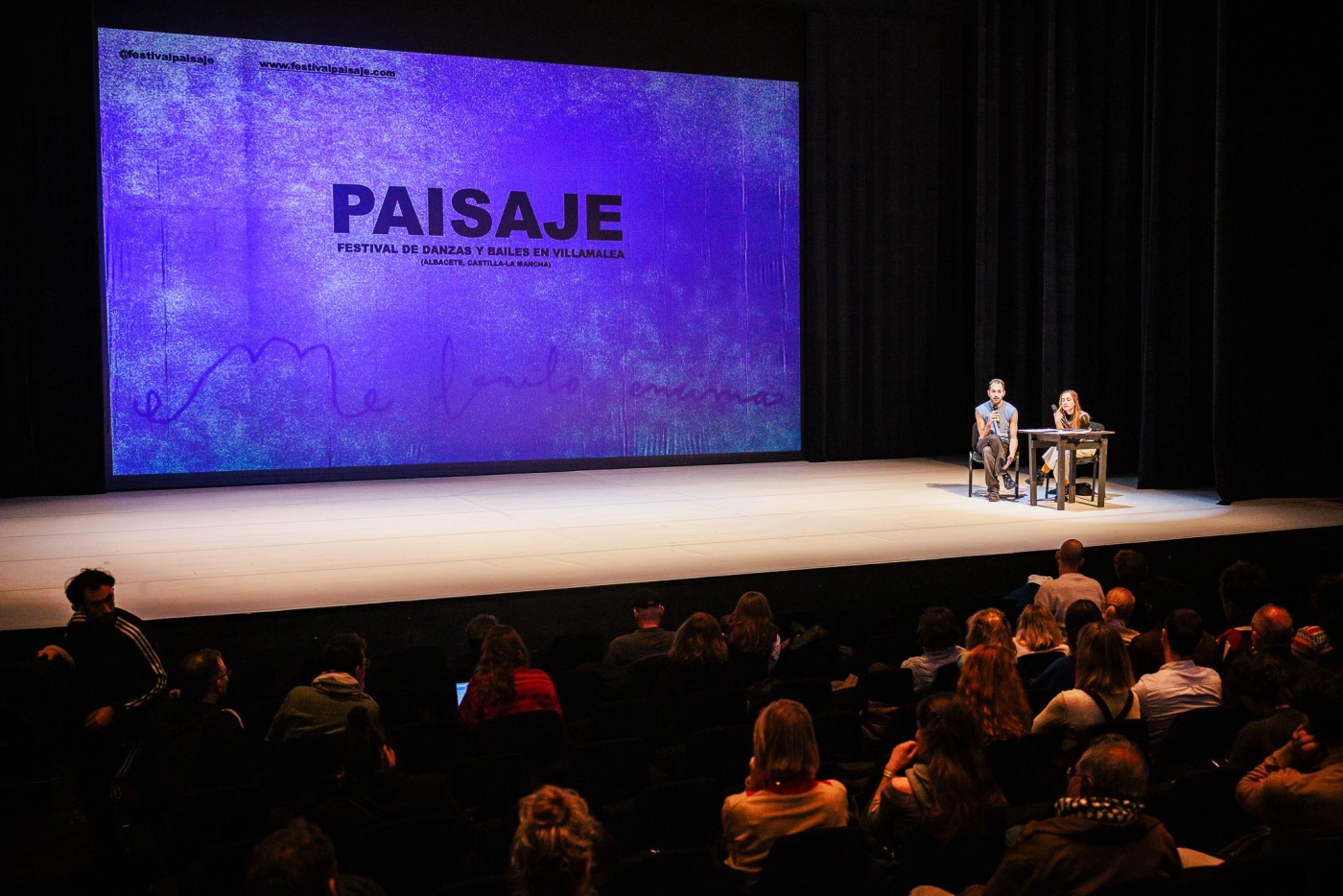
FESTIVAL PAISAJE / CASTILLA - LA MANCHA
Paisaje is a festival dedicated to dance and related arts, held in Villamalea, a town of 4,000 inhabitants in the province of Albacete, Castilla-La Mancha. For the past five years, it has invited artists to engage directly with the local community through workshops, collaborative creations, and performances.
Its essence lies in its connection to a specific territory, reflecting on its customs, language and culture. One of its most unique initiatives is the Anonymous Suggestions Box, where people send critiques, ideas, thoughts and wishes, integrating into the festival the culture of commentary and gossip that is part of village life, with the added power of anonymity. Another emblematic action is the Spectator School: local residents meet artists to discuss dance and creative processes, besides the classic "I don't understand this." The festival always buys the first round.
Paisaje challenges the culture of spectacle, makes dance more democratic and opposes elitism. Through workshops for all ages, it invites participants to experience dance and reconcile with their own body, beyond its role as a tool or object of study. “I dance on myself” was this year’s motto.
But Paisaje transcends dance: it aims to shape a pluralistic and heterogeneous landscape, to dissolve the boundaries between spectator and artist, high and low culture, expert and novice... To look at a landscape is already to become part of it. To participate. One of its aims is to let our gaze wander, to broaden our imagination, which translates into the liberation of thought and the movement of spectators: from the wine cooperative to Grandma Nieves’ patio, passing through different corners of the village.
Paisaje is irreverence and freedom, a laboratory where categories and genres blend. In previous editions, for example, the journey went from the traditional tablao flamenco to fuzzy flamenco with shells as castanets, passing through the European champions of ballroom dancing or a deconstructed jota that revealed its political history as a mechanism for controlling bodies.
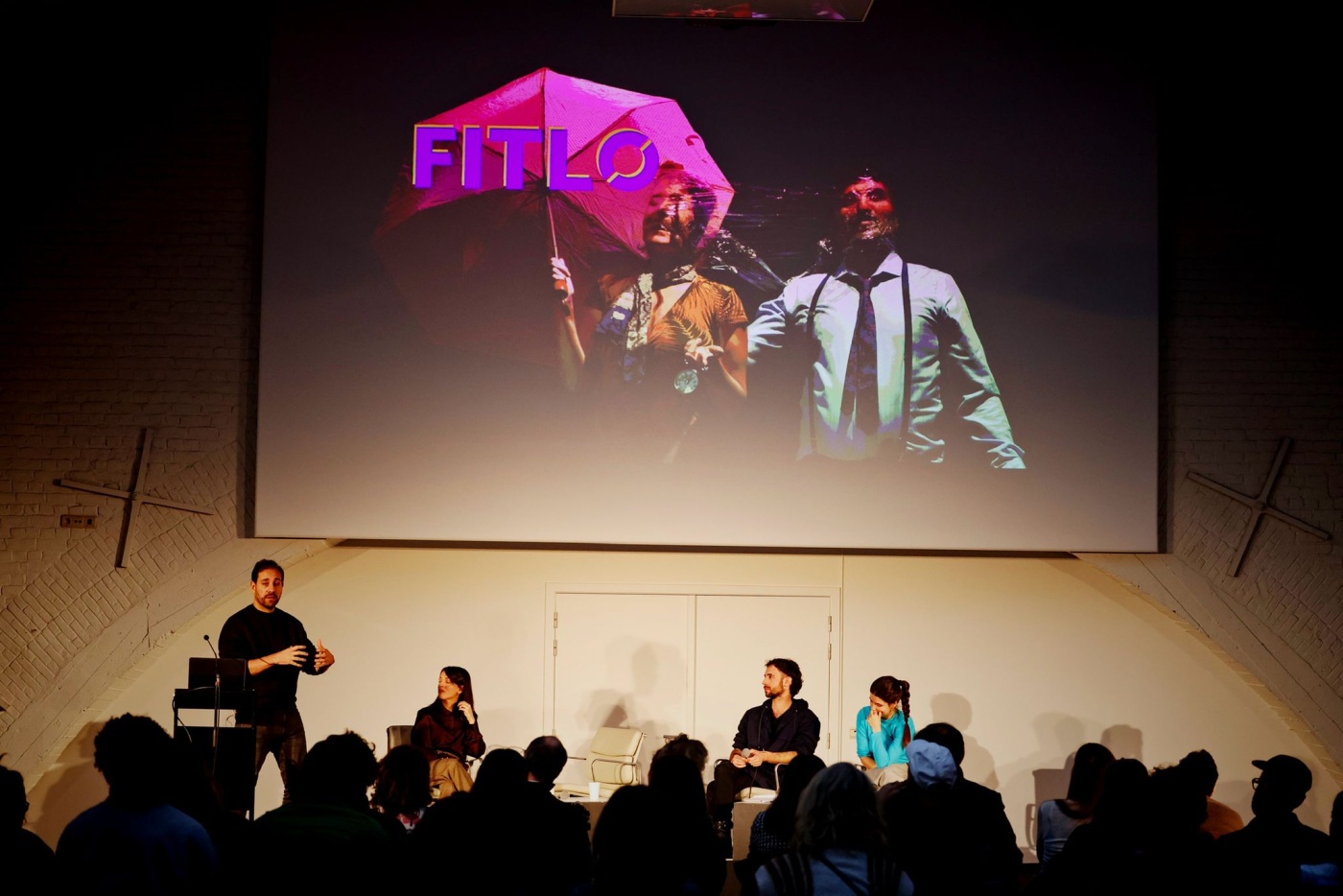
FITLO – Festival Iberoamericano de Teatro de La Rioja / La Rioja
“To build is the opposite to destroying. To build is to tear down borders, to use words… and in times when destruction abounds, we are building. We are building a festival. We are building FITLO.” Thus begins the manifesto of the ninth edition of the Festival of Ibero-American Theater of La Rioja.
Founded in 2017, FITLO was born to offer audiences groundbreaking contemporary creations from different corners of Ibero-America. From the very beginning, it has chosen for emerging companies and a program committed to the major themes that permeate our reality: migration, borders, displacement, resistance… FITLO seeks to amplify, to provoke and to stimulate collective reflection.
In 2025, the festival is still young, but it begins to consolidate its reputation. Each edition is a challenge, in the struggle to secure resources that allow it to bring internationally renowned artists and offer a small community access to the most avant-garde theater scene in its own territory.
FITLO transforms Logroño into a meeting point for artists, programmers and creators, expanding the cultural chart by decentralizing processes and opportunities. It has demonstrated that creation and community mobilization can also take place on the margins. This gesture is both political and poetic: building new centers of creation, far from the traditional urban centers.
In addition to its performing arts program, the festival organizes educational and outreach activities, residencies and co-productions, fostering both creative work and the development of new audiences. It collaborates with young and diverse entities and collectives, from the conviction that they are the future of society. It has produced works with artists such as Cuerpo Sur, Brai Kobla, Monte Isla, Marina Otero and Josefina Gorostiza, building networks as an essential practice.
In parallel, FITLO is working on the rehabilitation of Nave 31, a historic performance space (known as the “CNT Theater”) that the festival is reclaiming as a residency and production space in Logroño, restoring its life and memory.
Ultimately, FITLO is a collective enterprise: a project by artists from near and far, a festival that welcomes them and a territory that opens itself to new voices and languages. A festival that champions theater as a form of community and resistance.
Jorge Tesone
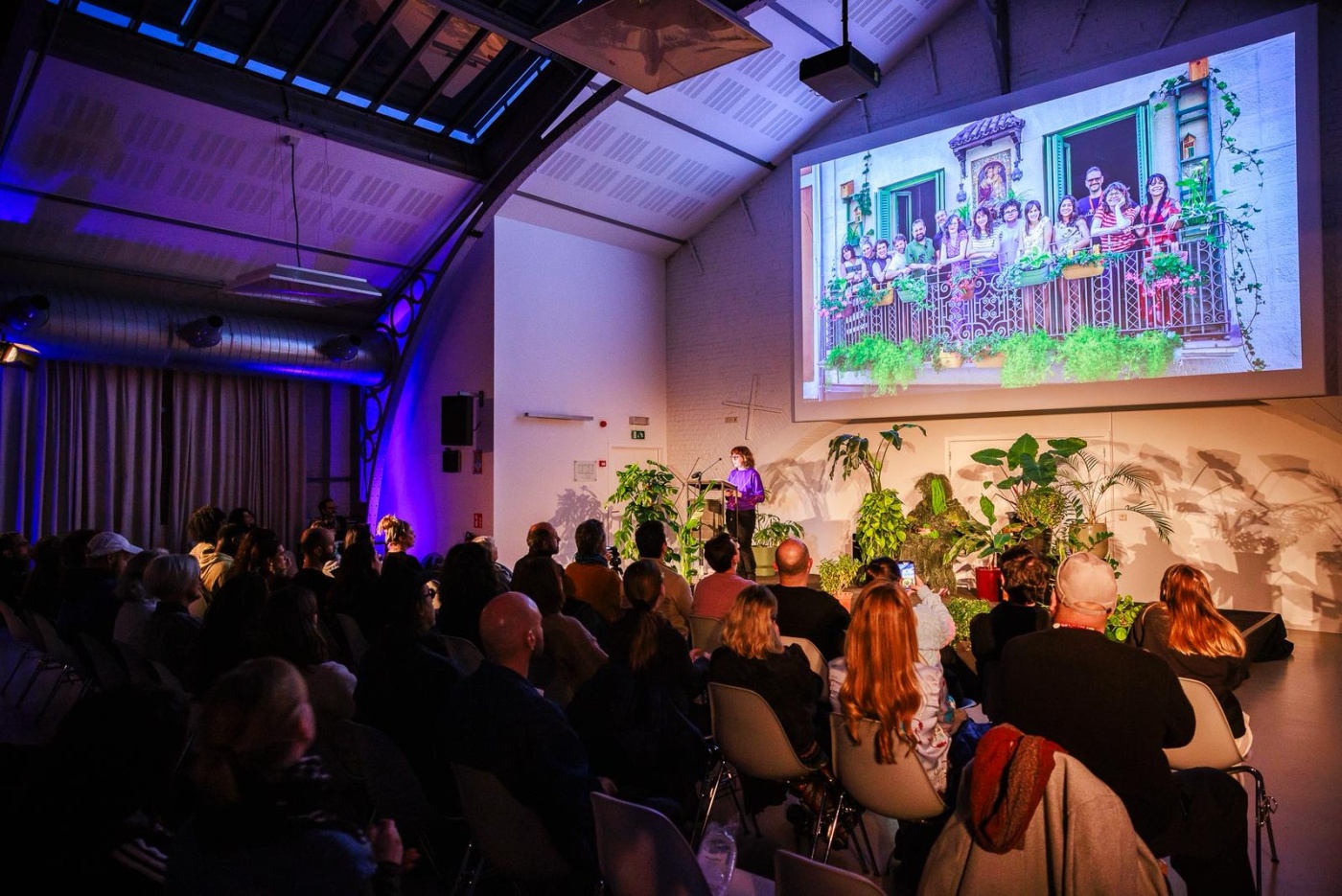
FESTIVAL ARBOLA / NAVARRA
Inspired by the symbolic and vital potential of trees, Arbola explores the cultural dimension of plant life through contemporary art and thought. It is a living arts festival that not only displays artworks but also activates processes, connections and experiences with the territory. Here, art is inhabited, walked, planted…
Arbola's territory is the Old Town of Pamplona. In June 2025, the Plantón Móvil (Mobile Planting) was held, an interdisciplinary procession of humans and plants that advocates the reforestation of the neighborhood. Streets, balconies, gardens and the San Francisco School were the stage for actions such as Bosque Móvil (Mobile Forest), an installation that transformed a school hallway into a living laboratory. Other projects, such as Un balcón es un jardín (A Balcony is a Garden), were intertwined with talks and walks: Emboscarse (Ambushing) with Joaquín Araújo or Flores a nuestros pies (Flowers at Our Feet) with Eduardo Barba, reminding us that the territory is not a neutral backdrop but a living organism that responds to care and rhythms.
Arbola is conceived from the perspective of the body-territory duality: not as separate realities, but as a single, interwoven fabric. Arbola recognizes that there is no cultural experience without a place, a memory or living matter to sustain it. So in 2025, works such as Marco Canale's La velocidad de la luz (The Speed of Light), which paid homage to the landscape of Pamplona through the memories of the elderly, and Martha Hincapié Charry's Amazonia 2040. Ancestros del futuro (Amazonia 2040: Ancestors of the Future), which united ecology and ancestral knowledge, were presented.
Each activity is an invitation to understand the territory and get to know its inhabitants: plants, animals, water, soil... Knowing as a means to love, loving as a means to care. In times of environmental crisis, Arbola defends culture as a space for ecosocial transformation, from ego to eco, from anthropocentrism to biocentrism: placing life back at the center.
Arbola wants to be part of this change, sowing culture like one sows a garden: with time, affection and attention to all living things.
Isabel Ferreira
OSIKÁN - VIVERO DE CREACIÓN E IMAGINACIÓN SOCIAL / MADRID
Osikán is an organization founded in Cuba in 2012 and currently based in Madrid that provides breeding ground for creation, research and cultural action. It works at the intersection of art, memory, spirituality and social justice. Driven by Afro-descendant and Caribbean artists, activists and managers, it has established itself as a reference for Afro-diasporic and migrant networks, for situated cultural production and critical experimentation. Its interdisciplinary, Black feminist, decolonial and community-based approach has been imprinted in methodologies grounded in listening, care and collective transformation.
Under the direction of José Ramón Hernández – an Afro-Cuban, interdisciplinary creator who works across dramaturgy, directing, mediation, education and cultural management – Osikán has developed its own infrastructure, conceived from the margins, to support artistic production, living archives and the flow of embodied knowledge.
Among their projects:
• Tejiendo Raíces (Weaving Roots, in partnership with Conciencia Afro, the Museum of the Americas, the Daniel & Nina Carasso Foundation and the Ministry of Culture): a pioneering initiative to institutionalize Afro-descendant memory in Spain, combining archives, curatorial practices, art and pedagogy.
• Residencia Afronteriza (Afrontier Residency, 2023–2025, also with Conciencia Afro): a safe creative space for Afro-descendant, migrant, racialized and gender-nonconforming artists.
• Observatorio Indisciplinar (Indisciplinary Observatory): a platform for documentation, training and cultural action from the margins.
• Eyilá Ashé Ebbora – Archivo Vivo de la Resistencia ( Living Archive of Resistance): a performance piece that activates spirituality as a political force and has been presented at KVS (Brussels), La Casa Encendida and other international festivals.
Osikán also maintains a strong international presence: it participates in networks in Latin America, the Caribbean, Europe and the Global South, and co-coordinates the Afro-Diasporic Biennial (the first edition will be held in Cali in 2026).
Recognized in 2020 by the Grec Festival as one of the 100 most inspiring living arts practices in Ibero-America, Osikán shifts the traditional role of the artist toward community-based practices, understanding creation as a political, spiritual and territorial relationship.
Projects such as I Love Cities (since 2016), which reconstructs cities based on the biographies of their immigrants and Opira, a research project about spirituality and politics in the diloggún oracle and Afro-Cuban mythology, complete a sustained body of work that demonstrates that Osikán is not only a hotbed for creation, but also for memory, future and social imagination.
The Osikán TeamOsikán is an organization founded in Cuba in 2012 and currently based in Madrid that provides breeding ground for creation, research and cultural action. It works at the intersection of art, memory, spirituality and social justice. Driven by Afro-descendant and Caribbean artists, activists and managers, it has established itself as a reference for Afro-diasporic and migrant networks, for situated cultural production and critical experimentation. Its interdisciplinary, Black feminist, decolonial and community-based approach has been imprinted in methodologies grounded in listening, care and collective transformation.
Under the direction of José Ramón Hernández – an Afro-Cuban, interdisciplinary creator who works across dramaturgy, directing, mediation, education and cultural management – Osikán has developed its own infrastructure, conceived from the margins, to support artistic production, living archives and the flow of embodied knowledge.
Among their projects:
• Tejiendo Raíces (Weaving Roots, in partnership with Conciencia Afro, the Museum of the Americas, the Daniel & Nina Carasso Foundation and the Ministry of Culture): a pioneering initiative to institutionalize Afro-descendant memory in Spain, combining archives, curatorial practices, art and pedagogy.
• Residencia Afronteriza (Afrontier Residency, 2023–2025, also with Conciencia Afro): a safe creative space for Afro-descendant, migrant, racialized and gender-nonconforming artists.
• Observatorio Indisciplinar (Indisciplinary Observatory): a platform for documentation, training and cultural action from the margins.
• Eyilá Ashé Ebbora – Archivo Vivo de la Resistencia ( Living Archive of Resistance): a performance piece that activates spirituality as a political force and has been presented at KVS (Brussels), La Casa Encendida and other international festivals.
Osikán also maintains a strong international presence: it participates in networks in Latin America, the Caribbean, Europe and the Global South, and co-coordinates the Afro-Diasporic Biennial (the first edition will be held in Cali in 2026).
Recognized in 2020 by the Grec Festival as one of the 100 most inspiring living arts practices in Ibero-America, Osikán shifts the traditional role of the artist toward community-based practices, understanding creation as a political, spiritual and territorial relationship.
Projects such as I Love Cities (since 2016), which reconstructs cities based on the biographies of their immigrants and Opira, a research project about spirituality and politics in the diloggún oracle and Afro-Cuban mythology, complete a sustained body of work that demonstrates that Osikán is not only a hotbed for creation, but also for memory, future and social imagination.
The Osikán Team
AZALA / BASQUE COUNTRY
Azala is a meeting place for artists, activists and researchers, primarily working with the body, voice and movement. It is located in Lasierra, a small farming village of 12 inhabitants in southern Álava. Awarded the Gure Artea Prize in 2017 by the Basque Government, Azala has developed numerous collaborations with agents in its ecosystem and with practices situated in the vicinity since its establishment in 2008.
Since 2018, it has developed collective learning programs such as Eskutik Hitzak (on performative writing), Martxaundi (on walking), p.i.c.a (a program of collective imagination in artistic creation processes), Laba (collective imagination in cultural outreach processes in rural areas), Emaria (a program supporting young artists in the Álava region), Prácticas colectivas para la incertidumbre (Collective Practices for Uncertainty, encounters between art and quantum physics), Lera Lera (a speculative design project on the re-enchantment of the Álava region) and Orta (on translation).
Azala annually hosts programs such as Dantzan Bilaka, the Dirdiralab film incubation lab, and the Feministaldia feminist culture festival.
Since 2019, it has published Borradores del futuro (Drafts of the Future), a collection of short stories and fables about possible worlds, tales that imagine the future of alternatives or utopias based on concrete experiences situated in the surrounding territory.
In 2023, Zintza Lilura - Instituto de la membrana was launched, a new line of research at Azala to investigate the application of somatic processes – derived from various body techniques, as well as from the experience of inhabiting the forest – to community health. This research is linked to a citizen-led process by the residents of Ribera Alta to defend the Tuyo Mountains against the threat of wind farms.
In 2024-2025, Azala participated in the European project ARECA – Art Education and Capacity-Building, on methodologies and artistic tools in school contexts, in collaboration with cultural and educational institutions in Portugal and France. In the summer of 2025, Azala received a powerful boost in the form of poetic nourishment with the Plebeya experience, a writing and performance school, carried out in conjunction with Artea-a, the EXPERIMENTA research group.
Azala also promotes the creation of the Lasierra energy community, the recovery of local springs, the walnut grove and the path to Cueva Lobos, the development of a healthy forest trail and the construction of a natural stage. It collaborates with local entities such as the Consorcio de Aguas Mendiharan (Mendiharan Water Consortium) and the Añana Femprende women's platform. Currently, it is involved in the platform Defensa de los Montes de Tuyo / Horrela ez / Araba bizirik, developing a self-protection plan for this mountain range.
Azala is featured in the Inventario Iberoamericano de Proyectos Inspiradores (Ibero-American Inventory of Inspiring Projects), the Informe Cultura y Ruralidad (Culture and Rurality Report) on cultural spaces in rural areas and the book Ura Jaten, about Basque theater and precariousness.
The Azala Team
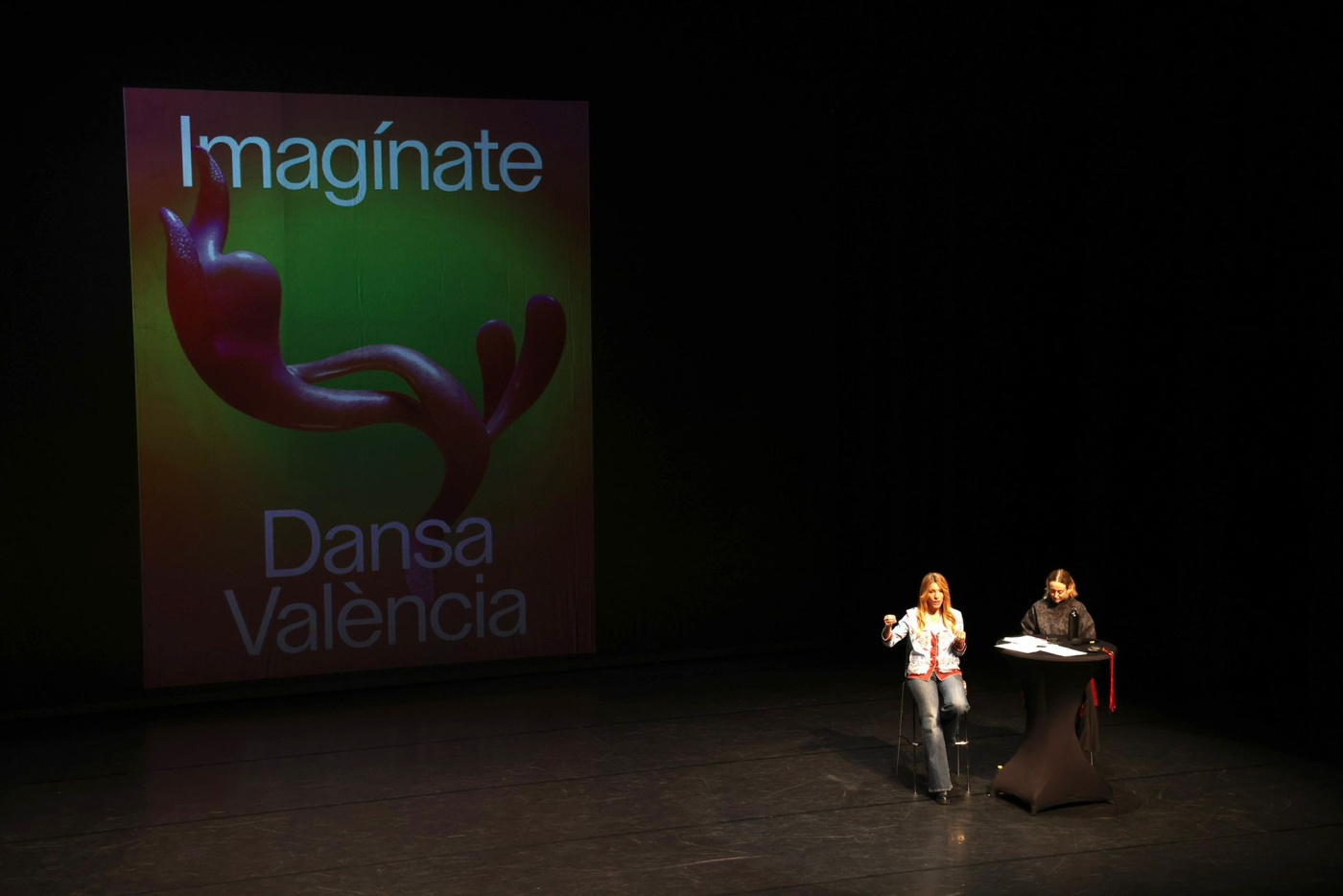
DANSA VALÈNCIA / VALENCIA
Dansa València is a festival of dance and new movement related languages, a space for encounter, dialogue and multiple perspectives. Organized by the Institut Valencià de Cultura, it has functioned since 2022 as the Spanish Dance Platform, showcasing in each edition a panorama of the contemporary Spanish creation, reflecting the richness of artistic personalities that characterizes us.
The festival embraces established, emerging and dissident creations; those born locally and those arriving from other territories to influence us. It is a space for the presence and action of the body, where outreach also plays a key role: committed to co-create and share experiences with the communities around us, convinced that creation and artistic practice stimulate social change.
In this sense, the festival has carried out outreach activities with various collectives and has integrated a broad diversity in its programme. Furthermore, it promotes audience development through professionally led itineraries, allowing those unfamiliar with the performing arts to delve deeper into the creative processes.
During the festival, a professional space is proposed to foster the exchange of knowledge, collectively envisioning possible and improved scenarios for dance. This shared knowledge strengthens our ongoing support for the artistic community, creating connections with other cultural organizations both within and beyond our territory. This network of partners is fundamental to the evolution and consolidation of artistic creation, enabling local artists to experience and work in other artistic contexts, while Dansa València welcomes artists from different places.
As a result of these agreements, Valencian choreographer Inka Romaní, who is participating in the Territorio festival alongside Dansa València, has been able to connect with professionals and dance companies in the Americas and Europe.
In addition, the festival invests in the temporal and geographical expansion by developing various lines of work. The Valencian plan for decentralization and support for creation, Impuls a la dansa (Boost to Dance), stands out: for four years, it has enabled 38 artistic collectives to reside in municipalities across the Valencian Community, connecting them with their local communities. The goal is to forge new links between artistic creation and those responsible for local programming, increasing the presence of dance in small towns beyond mere performance and offering tools for understanding and enjoying the projects.
Weaving a territory of allies gives meaning to the work that Dansa València has been carrying out since 2021, under the direction of María José Mora: creating, together with artists, cultural agents and diverse communities, an ecosystem of movement that generates new possibilities. This is the framework of the Territorio festival, organized by KVS and Europalia, a space to continue nurturing relationships and showcasing the cultural diversity of Spain. A rich array of artistic personalities that can be seen in Brussels, which is also presented every year in April at Dansa València – Spanish Dance Platform.
The Dansa València Team
AIXÒ AL POBLE NO LI AGRADARÀ / CATALONIA
Això al poble no li agradarà (People’s not gonna like that) is a living arts festival held in the Girona region, aiming to foster new relationships between audiences and contemporary creation. Through a process of re-territorialization, the festival celebrates hybrid creation, connecting artists, spaces and audiences in a constant dialogue with the local context.
The festival's third edition, held in 2025, consisted of a four-month cycle (February to May) with monthly events (workshops, residencies and openings) in eight municipalities of Girona. The cycle culminated in the main festival on May 30th and 31st, with activities in Salt, Lloret de Mar, and Celrà. The program included indoor and outdoor performances adapted to the context of each location, featuring companies such as Monte Isla, Omar Moran, Guillem Mont de Palol, Jorge Dutor, Urati Lab, Llum de Fideu, Jordà Ferrer (Antigua i Barbuda), Laboratorio de Pensamiento Lúdico, Katerina Andreou and Los Sara Fontán.
The festival is characterized by its shared governance structure, involving sixteen artistic agents from the Girona region, promoting collaboration and exchange among different cultural actors. Furthermore, it offers a program that is mostly outdoors and free of charge, accompanied by social spaces that facilitate encounters between artists and audiences.
Això al poble no li agradarà has established itself as a benchmark in the field of living arts in the territory, standing out for its commitment to contemporary creation and its ability to transform public space into a place for encounter and reflection.
The team behind Això al poble no li agradarà
ES CLOT D'EN FONT & ART DANCE CENTER / ISLAS BALEARES
On the cultural map of the Balearic Islands, a unique encounter is taking place between two organizations that, although coming from different contexts, share a common vision: to use art and the body as a means to transform our relationship with ourselves, our community and our environment. We're talking about Es Clot d’En Font, an artistic and ecological refuge located in Lloret de Vistalegre, and Art Dance Center, a space for dance, research and creation in Son Feriol, Palma. Both initiatives intertwine in TERRITORIO to support a project that unites nature, movement and co-existence.
Es Clot d’En Font was conceived as a sanctuary where creativity coexists with sustainability. Permaculture is practiced on its property, producing organic food that nourishes both the body and the artistic experience. There, the day might begin with a stroll through the vegetable gardens and end in the wooden-floored dance studio, a space designed for physical and performative work. The site also offers accommodation and camping areas, creating a community atmosphere where sharing time, resources and knowledge is an integral part of the experience. Their holistic approach aims to make each retreat, workshop or gathering an opportunity to reconnect with nature and the creative exploration, in harmony with the environment.
Art Dance Center, in the meantime, is located within the urban fabric of Palma, in the Son Feriol neighborhood. There, art is experienced through movement, experimentation and social connection. Their mission rests on three pillars: training, creation and community outreach. Their studios regularly host ballet and contemporary dance classes, movement workshops and interdisciplinary projects. But what truly sets them apart is their openness to artistic research: residencies and creative processes that make room for new dramaturgies of the body, such as the projects Dancing with Our Dreams and La casa de los sueños (The House of Dreams). Furthermore, the center understands dance as a social act, promoting participatory performances and activities that are open to the neighborhood and the city.
The dialogue between these two spaces – the rural and the urban, the natural and the communal – enriches the cultural fabric of Mallorca. Es Clot d’En Font provides a context of silence, soil and care, ideal for processes of introspection and extended shared experience. Art Dance Center offers the vitality of an urban environment, where dance reaches out to regular sitizens and connects with diverse collectives. Together, they create an ecosystem that links artistic creation with sustainability, well-being and community life.
Their collaboration in TERRITORIO is rooted in this complementarity: cultivating the moving body and fertile ground as parallel gestures, opening spaces for artistic experimentation and simultaneously sustaining practices of care and belonging. By joining forces, Es Clot d’En Font and Art Dance Center create a bridge between the intimate and the collective, between the interior and the exterior, between the here of Palma and the there of the Mallorcan countryside. An expanded territory where art is experienced as a way of life.